
The Homeschool Year That Didn't Go to Plan

Remember January? The fresh notebooks, the beautifully organised shelves and the carefully considered plans. The excitement of a whole new year stretching out ahead of you, full of possibilities.
This was going to be the year.
The year you'd finally find your rhythm. The year you'd get through all those wonderful books you'd been meaning to read. The year you'd do more nature walks, more science experiments, and more art projects. The year you'd be organised, consistent and perhaps even a little bit ahead.
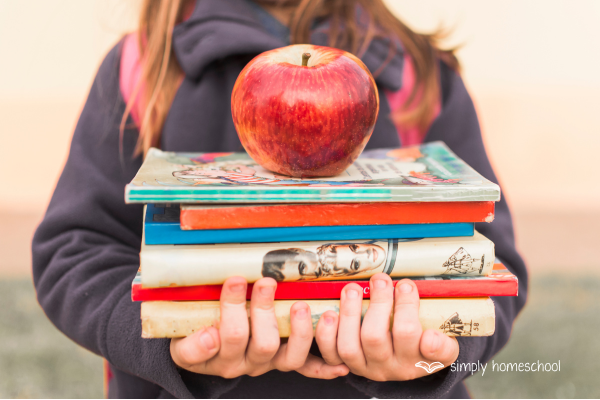
And now, somehow, it's November.
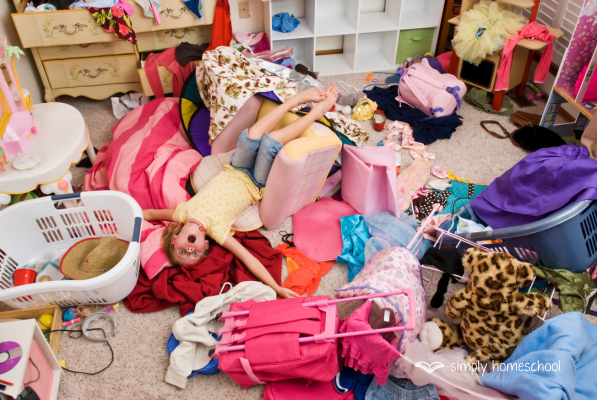
The notebooks aren't quite so fresh. The shelves have returned to their natural state of chaos. There are books you never opened, projects you never started, and perhaps a few carefully considered plans gathering dust.
Maybe you didn't get through as much of the curriculum as you'd hoped, and the routine that looked so wonderful on paper lasted approximately three weeks.
Maybe life threw you a few curveballs – illness, work, family responsibilities, a new baby, a difficult season, or simply the ordinary, unpredictable business of being human.
And perhaps, as the year draws to a close, you're looking back and wondering:
What happened to my perfect homeschool year?

But what if you're measuring the wrong things?
It's easy to look at a homeschool year and see what's unfinished.
There are chapters you didn't read and activities you skipped. There are maths lessons that took twice as long as expected and genuinely wonderful plans that never quite made it off the Pinterest board.
But what about everything that happened along the way?
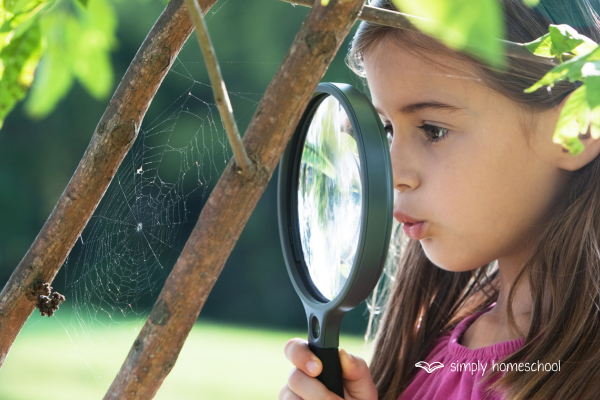
There was that afternoon your child became fascinated by a spider in the garden, and you spent an hour discovering things about spiders that you never knew you needed to know.
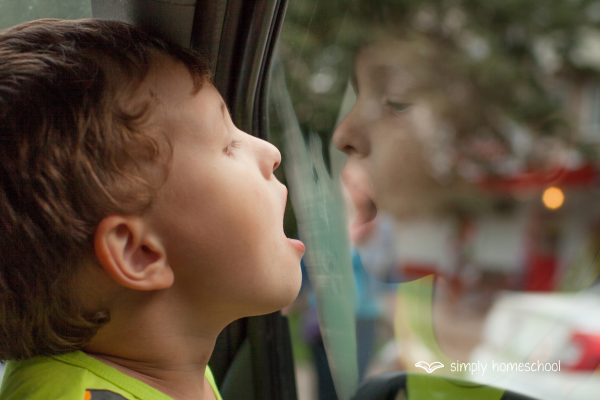
There were the conversations in the car that started with a simple question and somehow turned into a discussion about history, science or the meaning of life.
The recipe your child can now make independently. The younger sibling who finally learned to ride a bike. The reluctant reader who picked up a book without being asked. The child who struggled with something for months and then, one ordinary Tuesday, suddenly understood.

None of those moments necessarily appeared in your planner, but they mattered.
Learning doesn't always follow the timetable
One of the wonderful things about homeschooling is the freedom to respond to the children in front of us. Not the imaginary children we planned for in January, who happily complete every activity in exactly the time allocated.

Our actual children. And our actual children sometimes need more time, or develop unexpected interests. They race through one subject and struggle with another. They have days when everything clicks and days when absolutely nothing does.
Sometimes, being responsive means changing the plan. It might mean spending another week on a tricky concept rather than pushing ahead, or even abandoning a lesson because a fascinating question has taken everyone in a completely different direction.
Other times, you recognise that your child needs connection, movement, rest or reassurance more than they need another lesson plan.
That's not a failure of planning. It’s good homeschooling.

The things you can't tick off
Not everything worth learning can be measured by a completed workbook.
Have a think about the person your child is becoming.

Are they a little more curious than they were at the beginning of the year? Do they feel more confident asking questions? Have they discovered something they love or learned to persevere when things are difficult? Become more independent, more thoughtful or more willing to try? Have you shared laughter, adventures, interesting conversations and ordinary moments of togetherness?
These things are part of education, too. They might not fit neatly into a curriculum checklist, but they are certainly worth celebrating!

It's okay to change direction
Of course, sometimes an unfinished plan is telling us something useful.
Perhaps a particular resource simply wasn't the right fit, or your routine was too ambitious. Perhaps you discovered that your child learns best in a completely different way from the one you'd imagined.

That's valuable information. You don't need to carry every unfinished plan into next year out of a sense of obligation. You can let go of what isn't working.
You can simplify, choose fewer activities and enjoy them more deeply. Maybe next year you need more breathing room and time outdoors, or more opportunities to follow your child's interests.
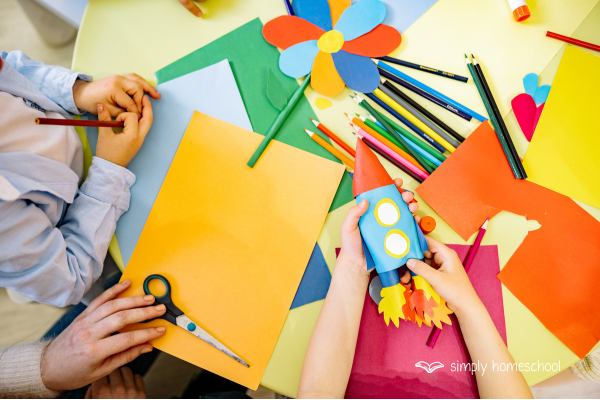
Homeschooling gives us the freedom to make those changes.
Before you close the books on this year...
Take a moment to look back with kindness.
Not just at the lessons completed, but at the discoveries made along the way, and the unexpected opportunities that took the place of plans that fell through. Think about how your children have grown, as well as what they have learned.
Maybe this wasn't the homeschool year you imagined in January. Maybe it was messier, slower, louder, more complicated and far less organised. Maybe there are things you'd like to do differently next year.
That's okay.
You can acknowledge the gaps without overlooking the good. You can make changes without deciding that the whole year was a failure.
And you can recognise that, even in a year that didn't go to plan, there may have been an extraordinary amount of learning, growing and living.
So, before you start planning the next one, give yourself and your children a little credit.
You showed up, and you adapted, and you kept going. You made another year of memories together!
Perhaps it wasn't the year you planned, but that doesn't mean it wasn't a year worth celebrating.