10 Things Experienced Homeschoolers Stop Worrying About
When you first begin homeschooling, it can feel like you are carrying around a giant invisible checklist. Are we doing enough? Are the children behind? Should we be following a stricter schedule? What if I’m getting this wrong?
But over time, something shifts.
Experienced homeschoolers tend to become calmer, slower, and more confident. This is not because they suddenly have perfect children or flawless routines, but because they’ve learned what truly matters, and what doesn’t.
Here are ten things many experienced homeschoolers eventually stop worrying about.

1. Finishing every activity or page
New homeschoolers often feel pressured to complete every activity in every lesson or program.
Experienced homeschoolers know that curriculum is a tool, not a master. Sometimes skipping sections, slowing down, or abandoning a resource entirely is the wisest thing you can do.
2. Keeping up with school
Home education is not school-at-home.
Learning at home happens differently, often more efficiently, more naturally, and more deeply.
Experienced homeschoolers stop measuring their days against classroom structures and begin trusting the unique rhythm of home learning.
3. Constant productivity
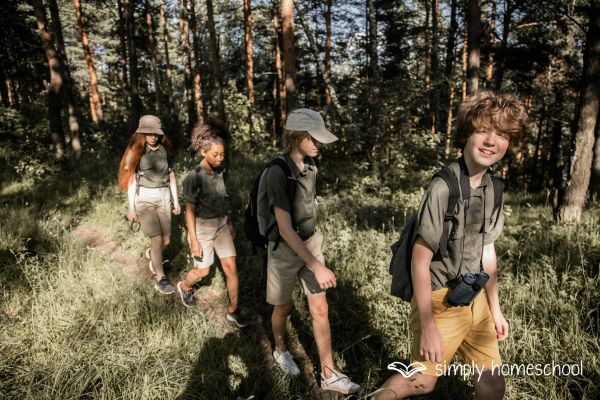
Not every moment needs to look educational. Rest, boredom, creativity, wandering outdoors, conversations, and quiet afternoons all have enormous value.
4. Being “behind”
Behind whom? One of the greatest gifts of homeschooling is the freedom to follow your child's pace rather than a system's.
Children develop unevenly, naturally, and beautifully over time.
5. What other people think
At first, outside opinions can feel loud.
But experienced homeschoolers learn that confidence grows through lived experience. They see their children thriving, growing, learning, and becoming themselves.
Eventually, the need for external validation begins to fade.
6. Perfect routines
Experienced homeschoolers know that every season looks different.
Babies arrive, illness happens, mental health matters come and go and family circumstances change. A good homeschool rhythm supports the family, not the other way around.
7. Socialisation myths
Homeschooled children interact with people of many ages in real-life settings every day.
Over time, homeschool parents stop panicking about outdated stereotypes and start observing the rich social lives their children are actually experiencing.

8. Learning that doesn’t look academic
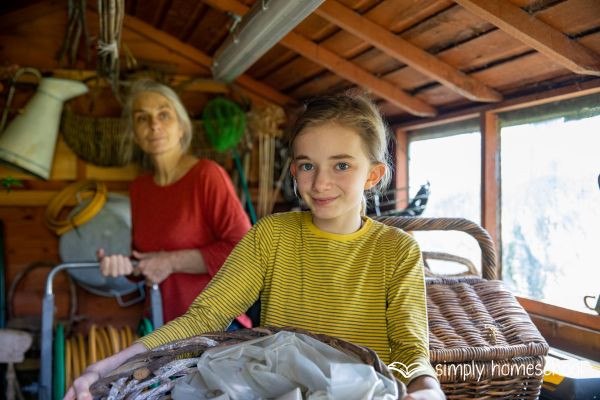
Cooking dinner, building cubbies, running a market stall, caring for animals, gardening, starting small businesses, listening to audiobooks for hours. Real learning often looks wonderfully ordinary.
9. Comparing their family to others
Comparison quietly steals joy from homeschooling.
Experienced homeschoolers learn that what works beautifully for one family may not work at all for another. Instead of chasing someone else’s homeschool, they begin building their own.

10. Doing it perfectly
This might perhaps be the biggest shift of all.
Experienced homeschoolers realise that children do not need perfect parents or perfect lessons. They need connection, safety, curiosity, encouragement, time and presence.
Most of all, they need to know that learning is something joyful and lifelong, not merely something to survive.
Homeschooling becomes much lighter when we stop trying to prove ourselves and start trusting the process.
..........