What Children Really Need More of

Take a scroll through any feed, and soon enough, we can feel a little unsettled. A quiet tightening, a growing heaviness. Sometimes we can’t quite put our finger on what it is - just a sense that we’re not doing enough, not giving enough. Other times, we step away with a very clear feeling of guilt and anxiety that our children need (sometimes the messages are so blatant, suggesting that they deserve) more.
We want so much to bring the very best of ourselves to our parenting that we end up believing that children really do need more; that we’ll be disadvantaging them, or worse, we convince ourselves that we would be failing them if we don’t give them the very best we can.
But what if the best wasn’t more? Wasn’t more stuff, better toys, more activities, better learning programs, faster acceleration - more, more, more…!? What if what our children really needed more of….was less?
When we step back and look closely at children, we often find their needs are surprisingly simple.
It isn’t endless entertainment, perfectly curated childhoods or constant academic pressure. More often than not, children need more of the things modern life is squeezing out.

Less Busy and More Time
Our children are so busy. We run ourselves ragged taxi-ing kids from activity to activity because we want them to have all the best opportunities. But children don’t need full schedules; they need more unhurried time. They need time to play without interruption, so they can become absorbed in creativity. They need time to wonder, build, explore, and daydream.
So much of childhood today feels rushed. But learning, relationships, and emotional growth all flourish best when there is margin in the day.
It can be hard to give your children more time. If your schedule is full of extra-curricular activities, playdates, and commitments, it can be difficult to prioritise time. And when you do, you might experience some pushback, especially if your children are used to having their time scheduled for them.
Calling a family meeting and explaining that each child can choose one extra-curricular activity (or however many seem appropriate for your family) with the intention of creating space in their days for free, unhurried time might be a hard, but important decision.
Initially, your resolve to give your children more time by doing less will likely be tested, as they will almost certainly be unsure how to spend it. Which leads us to our next point.
Less Stimulation and More Boredom
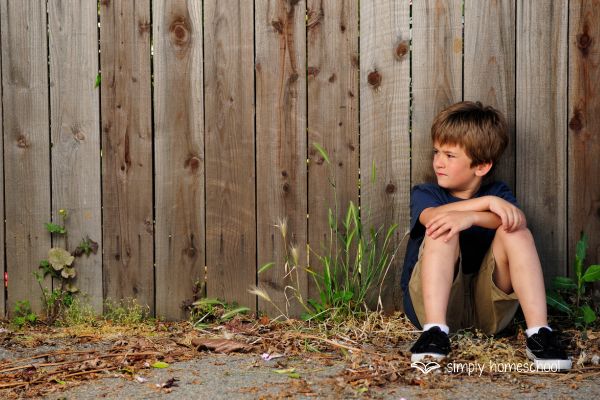
Boredom is not something to fear, and isn’t necessarily wasted time. Boredom is often the doorway to creativity.
When children are not constantly stimulated, they eventually begin inventing games, creating stories, building worlds, solving problems, and discovering their own interests.
However, this will take time! Stay strong in the belief that your children will rediscover their interests, will begin to play, and will find new and creative ways to spend their time. There just might be an adjustment period first.
Some of the most imaginative play begins with the words: “There’s nothing to do.”
Less Over-scheduling and More Responsibility
Overly-scheduled children have much of their time and actions decided for them. When they are given real responsibility, they learn what it means to be part of a family and contribute to the often unseen work of keeping the household running. Children thrive when they feel genuinely needed.
This might be helping cook meals, caring for younger siblings, feeding animals, helping with household chores, working in the garden or contributing to family life in some other way. Children grow when they know they are capable and trusted.
Real responsibility builds competence, confidence, and a sense of belonging. It also helps children to think beyond themselves and recognise the needs of others and their environment.
Less Time Indoors and More Nature
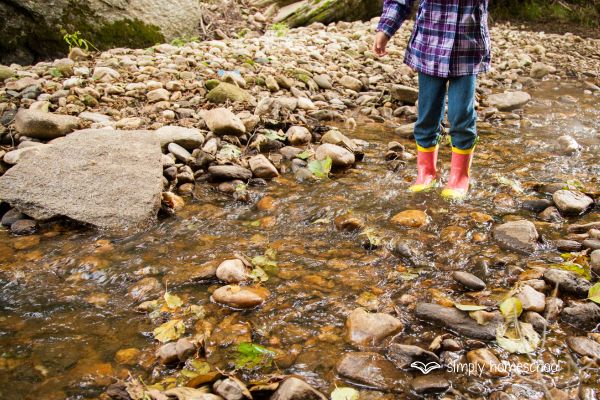
Nature offers something children desperately need: space. Space to move, think, observe, and breathe.
Outdoors, children can move their bodies, developing their gross-motor skills as they navigate uneven terrain, ponder quietly as they observe the changes around them, and breathe in the open air, calming their nervous systems.
Time outdoors supports emotional well-being, physical health, creativity, and wonder. It also often has a beautiful restorative power for both children and parents alike.
Less Distraction and More Conversation
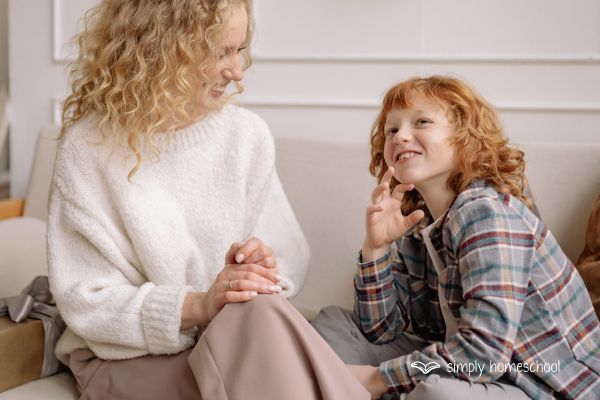
Children need adults who listen to them properly. So often we are distracted or rushing.
Meaningful conversations with adults allow children to explore ideas, develop opinions, argue viewpoints and share thoughts in a safe and valued space. It is how children begin to make sense of the world around them, develop informed opinions, and learn to express them respectfully and in an open-minded way.
Real discussions are far more valuable for developing articulate, thoughtful children than any worksheet. They remind our children that they are valued. Some of the deepest learning happens through ordinary discussions around the dinner table, during walks, or while driving together.
Less Overstimulation and More Rest
Children are growing up in an increasingly overstimulated world. Constant noise, screens, schedules, and pressure can leave them emotionally exhausted.
Rest matters. Quiet evenings, slow mornings, reading together, early nights, and days at home.
Try to reduce stimulation in the evenings to allow children to settle into sleep. Quality sleep is essential for our children’s (and our!) physical and mental well-being.
It’s not just sleep, though. Children need time during the day to pause, sit quietly, and do nothing to rest their minds and bodies.
Rest is not laziness. It is an essential part of healthy development.

Less Rush and More Wonder
Children are naturally wired for wonder. They notice tiny insects, strange cloud formations, fascinating questions, beautiful stories, and unexpected details adults often miss.
Wonder is the foundation of lifelong learning. When we protect a child’s sense of curiosity, we protect something deeply important. A child who has time to wonder, time to pause and watch the ant cross the path, is a child who will continue to marvel at the world around them as they grow.
Too often, children are rushed through things in order to get to their next commitment. Over time, they stop wondering. When we simplify our days, we allow time for wonder.

Less Guilt (from us) and More Connection
Above all else, children need connection. They need it more than perfectly planned lessons and endless extracurricular activities. We need to stop feeling guilty for not giving our children ‘more’ and hold strong in the belief that when we cut most of it away, we are giving ourselves the time and space to connect with our children.
Children need secure relationships and a sense of belonging. They need time with people who delight in them, who want to hear what they have to say.
Children flourish where they feel safe, seen, loved, and understood.
And this might just be one of the greatest gifts homeschooling can offer – not perfection, but presence.
..........